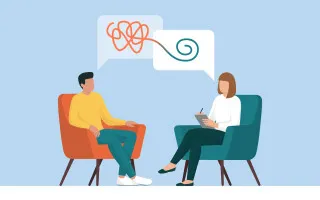
The Autistic Therapist
When I was diagnosed as autistic, I struggled with acceptance. I didn’t know how to process the information for myself. Every day, I sit with clients and listen while they take in the diagnosis and then begin to come to terms with what it means for them, and I am comfortable in that role, but there is something quite different about processing this diagnosis for someone else, and processing it for yourself.
Probably my biggest challenge was my fear that people can see something odd or unusual about me … that people can tell. After all, I spent a lifetime being told that I was weird. People noticed something. As I sat with the diagnosis for some time, I began to feel compassion for myself for the social misunderstandings, bullying, and exclusion that I experienced during my lifetime. I felt anger for how I was treated and grief over many lost experiences and years. How might my life have been different had someone intervened effectively when I was a child? I wondered.
Accepting my diagnosis ultimately made it possible for me to be who I am without feeling out of place or uncomfortable. In fact, getting to know my autistic self has enabled me to feel better about myself socially and emotionally and I am now living my life true to who I am.
When people learn that I am both a therapist and autistic, their reactions often reveal the persistence of the outdated myths and stereotypes that I also believed. Some are surprised. Others are curious. And occasionally, someone will wonder aloud or silently how someone with autism could possibly help others through therapy.
Let me share the truth: being an autistic therapist is not a contradiction. It’s a strength. Really.
Challenging the Myths: Autistic Therapists Are Empathetic, Attuned, and Effective
One common myth is that autistic individuals lack empathy or the interpersonal skills necessary for effective therapy. This couldn’t be further from the truth. While autistic people may experience and express empathy differently than neurotypical individuals, many of us feel deeply and connect profoundly with the experiences of others, especially those who are struggling, misunderstood, or marginalized.
As an autistic therapist, I bring a heightened sensitivity to nuance and emotional undercurrents. My own experiences with navigating trauma, masking, and internalizing difference inform a deep well of compassion. I don’t just understand disconnection, I’ve lived it, and I strive to help clients find safety, connection, and self-understanding.
Neurodivergent Strengths in the Therapy Room
Autistic therapists offer unique and valuable strengths that enhance the therapeutic process:
-
Pattern Recognition: I often notice patterns others may overlook in behavior, language, emotion, or relational dynamics which helps me understand underlying issues quickly and with precision.
-
Authenticity: Many autistic individuals value honesty and direct communication. In therapy, this translates to transparency, integrity, and clear, respectful feedback.
-
Deep Focus: My intense interest in psychology, assessment, and neurodiversity drives me to continually learn and grow. I bring focused, individualized attention to each client session.
-
Comfort with Complexity: Whether a client is struggling with trauma, navigating multiple diagnoses, or feeling overwhelmed by existential concerns, I am not intimidated. I hold space for complexity with calm and care.
A Feedback-Informed, Client-Tailored Approach
In my practice, I serve children (ages 3 and up), teens, and adults navigating challenges related to autism, ADHD, dyslexia, anxiety, depression, OCD, PTSD, and more. I draw from multiple theoretical orientations to tailor therapy to the unique needs and identities of each client. No two people are the same so no two therapy sessions are either.
What sets my approach apart is my commitment to feedback-informed therapy. At the end of each session, I ask clients what worked, what didn’t, and what they feel they need to focus on next time. This collaborative dialogue helps build trust, promotes empowerment, and ensures therapy is always aligned with their evolving needs.
Walking the Path With You, Not Ahead of You
Being autistic has shaped how I see the world, and it shapes how I hold space for others. I understand what it’s like to feel alien, to be misunderstood, and to internalize difference. These experiences don’t make me less capable as a therapist, they make me deeply attuned to those who need validation, hope, and a place to be fully seen.
Therapy isn’t about fixing people. It’s about understanding them, helping them understand themselves, and walking with them toward growth. As an autistic therapist, I don’t sit above or beyond the people I work with, I sit beside them. I believe in them. I witness their stories with reverence. And I support them in writing new ones.
Kristen Math, MS, MA, LPCC-S, is an autistic therapist with dual master’s degrees in molecular biology and counseling. She is a doctoral student at Nebraska Methodist College. Kristen provides mental health and neurodevelopmental evaluations for children and adults, and offers therapy grounded in empathy, neurodivergence-affirming practices, and collaborative insight.