Occupational Challenges for Autistic Adults: Navigating Work, Identity, and Support with Understanding
For many autistic adults, work can be both a source of meaning and a source of stress. While employment offers structure, income, and independence, it also presents challenges that can be overwhelming, confusing, or inaccessible, especially in environments that don’t understand or support neurodivergent needs.
At Therapy Dynamics, I work with autistic adults across Minnesota who are navigating occupational concerns, whether that means finding a job that fits, coping with sensory and social burnout, or advocating for accommodations in the workplace.
Common Occupational Challenges for Autistic Adults
1. Sensory Overload
Many workplaces are not designed with autistic nervous systems in mind. Bright lights, constant noise, crowded spaces, and unpredictable interruptions can lead to sensory fatigue or shutdowns.
2. Social Expectations
Workplace small talk, team dynamics, group interviews, and networking can be difficult or exhausting. Misreading social cues—or being misread by others—can lead to misunderstandings or exclusion.
3. Executive Function Demands
Autistic adults may struggle with:
-
Multitasking
-
Prioritizing tasks
-
Meeting unspoken expectations
-
Adapting to sudden changes
This isn’t a reflection of motivation or ability—it’s a difference in how the brain organizes and executes tasks, and it often goes unsupported.
4. Masking and Burnout
Many autistic individuals spend years masking their traits in professional settings to appear “neurotypical.” Over time, this leads to:
-
Autistic burnout
-
Mental health struggles (anxiety, depression)
-
Loss of self-identity
Autistic adults are not “less capable”—they are often under-supported in environments that expect one way of thinking, working, and being.
Strengths Autistic Adults Bring to the Workplace
Despite systemic barriers, autistic adults often bring powerful strengths to the workplace, including:
-
Detail-oriented work
-
Creative problem-solving
-
Reliability and loyalty
-
Honesty and integrity
-
Deep knowledge in areas of interest
When environments are flexible and affirming, autistic professionals thrive and bring tremendous value to their teams.
.
How Employers Can Support Autistic Employees
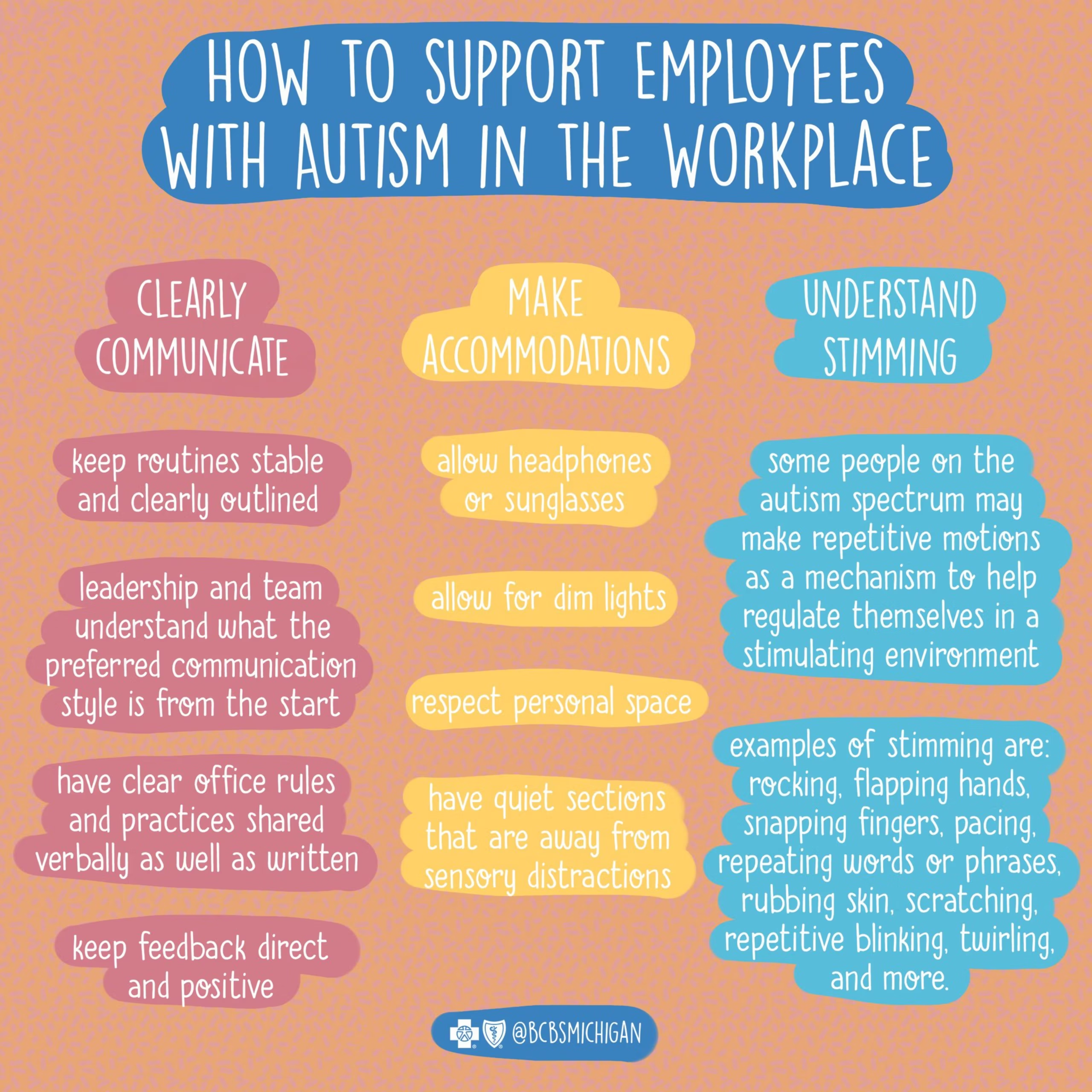
Employers can support autistic employees by creating inclusive, flexible, and sensory-considerate work environments. This includes offering clear communication, predictable routines, and explicit expectations, which help reduce ambiguity and stress. Providing quiet spaces, allowing for non-traditional forms of communication, and respecting sensory needs (e.g., lighting, noise levels) can significantly improve comfort and productivity. Employers should also be open to reasonable accommodations such as modified schedules, written instructions, or remote work options. Most importantly, fostering a workplace culture of respect, understanding, and neurodiversity-affirming values helps autistic employees feel seen, valued, and empowered to thrive.
How Therapy Dynamics Supports Occupational Wellness
I provide:
-
Autism evaluations for adults seeking diagnosis or workplace accommodations
-
Individual therapy to manage burnout, anxiety, and masking fatigue
-
Support with executive functioning and work-life balance
-
Psychoeducation around sensory needs, disclosure, and boundaries
-
Guidance for self-advocacy and workplace communication
Whether you’re questioning if your past job struggles were related to undiagnosed autism, or you’re trying to build a career that honors your brain, we can help.
Services Available In-Person and via Telehealth
I offer support for autistic adults in St. Cloud, Minnesota, and via telehealth statewide. My approach is:
-
Neurodiversity-affirming
-
Trauma-informed
-
Rooted in lived experience and clinical training
You Deserve Work That Works for You
Autism doesn’t make you unemployable, it makes you unique in how you think, process, and communicate. You may not fit into every job setting, but that doesn’t mean you don’t have value. At Therapy Dynamics, I help you understand your occupational profile and work toward a future that fits your needs and strengths.